
A repair lasts longer when the cause gets addressed, not just the symptom.
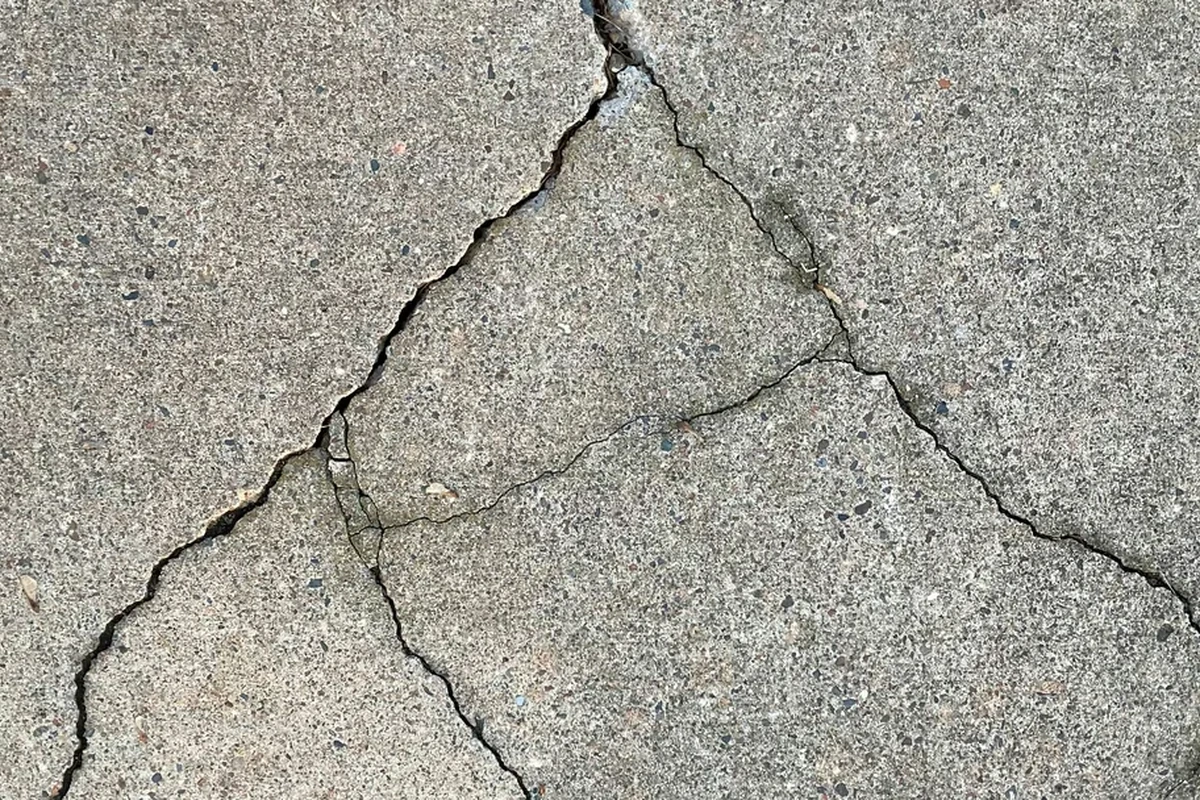
Concrete can crack from shrinkage, settlement, unsupported edges, poor drainage, tree roots, corrosion, impact, overload, or movement below the slab. Some damage is cosmetic. Some is a sign that the support or grade is still moving. A useful repair estimate should identify the likely cause, explain what can realistically be repaired, and say when replacement would be more durable than another patch.
Concrete Repair project types
Crack and joint repair
For selected stable cracks, joints, and openings where sealing or repair can limit water entry and surface deterioration.
Broken edges and small sections
Localized replacement or repair around corners, curb edges, steps, landings, or isolated damaged areas.
Sinking or uneven concrete
Evaluate why a slab moved before choosing leveling, replacement, drainage correction, or another repair approach.
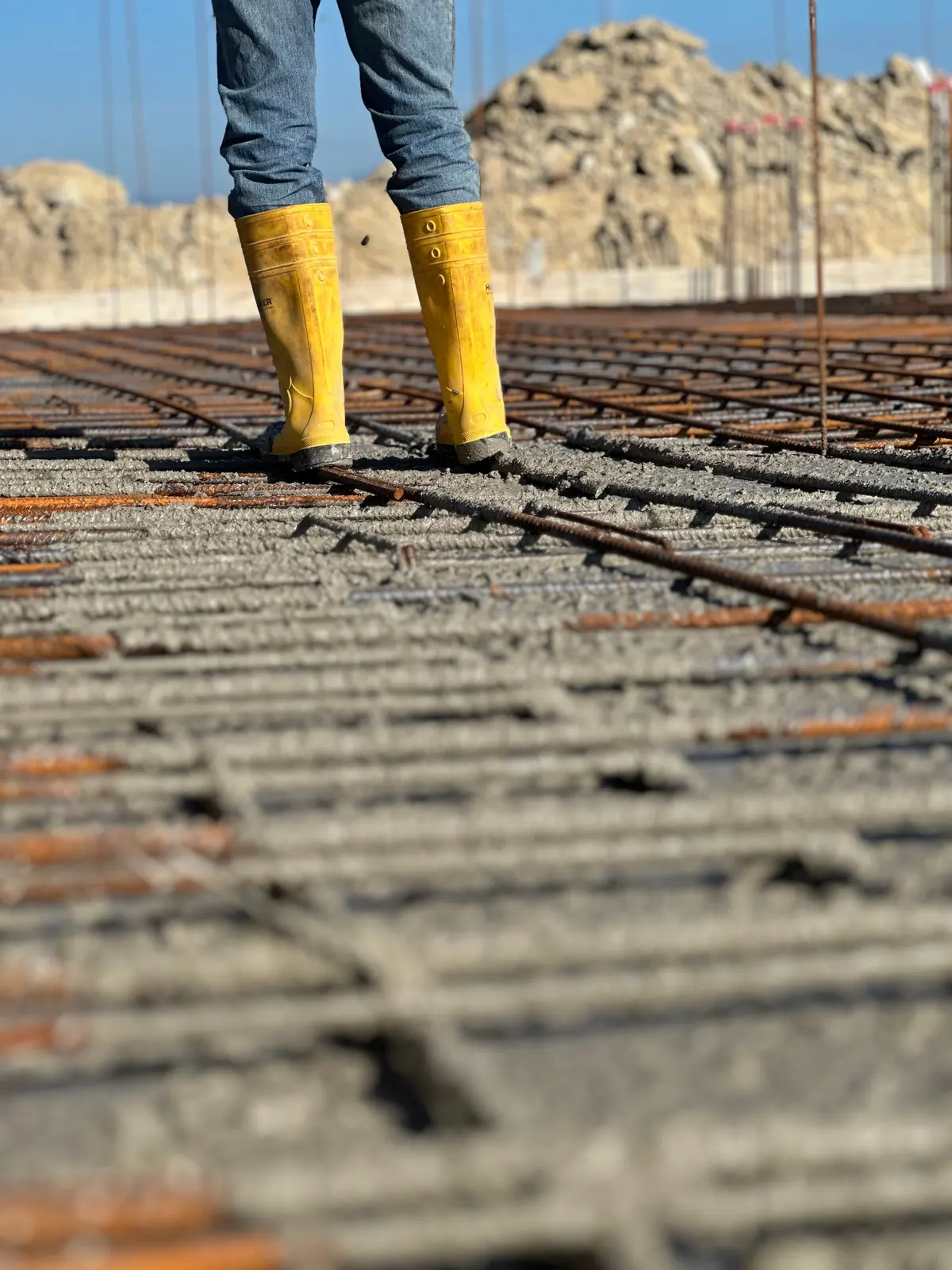
Full removal and replacement
For widespread failure, severe movement, poor drainage, or surfaces where repeated repairs would only postpone the same problem.
What can change the concrete estimate?
Concrete pricing is easier to compare when the scope is written down. These are the details that can change material, labor, equipment, and schedule:
- Type, width, pattern, and location of cracking
- Whether one section has moved vertically
- Drainage, runoff, downspouts, irrigation, and nearby low spots
- Tree roots or edge erosion
- Base loss or visible voids
- Surface scaling, spalling, or chemical damage
- Age and overall condition of surrounding concrete
- Safety trip hazards
- Whether the repair needs to visually match older concrete
Looking for a concrete contractor near you in Victoria?
If you searched for a concrete repair near me, a concrete company near me, concrete services near me, or concrete work near me, the useful next step is the same: match the contractor to the actual project. Share the property location, photos, approximate dimensions, access, what is there now, and how you plan to use the finished concrete. That gives the estimate conversation a real starting point instead of a generic square-foot guess.
Before you approve a bid
Ask what is included for demolition, base preparation, thickness, reinforcement, forms, drainage, joints, finish, cleanup, permits or inspections that apply, and how hidden conditions are handled. A lower total can be more expensive later when major pieces of the scope were never included.
Victoria, Texas conditions worth planning around
The USDA describes the Victoria soil series as very deep, clayey, and very slowly permeable. That does not mean every property has Victoria-series soil, but it does reinforce why grade, drainage, base preparation, and site-specific conditions deserve attention. The National Weather Service maintains climate normals and records for Victoria, and summer heat can also affect placement, finishing, and curing decisions.
For driveway work, current City guidance is more specific than many contractor sites make it sound: the City says work within private property lines can generally be repaired, installed, or extended without a driveway permit, while work in the City right-of-way or street approach requires approval and permitting.
Victoria driveway permitting: City of Victoria FAQ. Victoria-series soil characteristics: USDA NRCS Official Soil Series Description. Victoria climate records and normals: National Weather Service Corpus Christi.
Concrete Repair FAQ
Most cracks can be filled or sealed in some way, but that does not mean every repair stops future movement. The cause and stability of the crack matter more than the cosmetic appearance alone.
Replacement becomes more attractive when large areas have shifted, drainage is wrong, the slab is breaking into multiple moving pieces, the surface is badly deteriorated, or prior repairs keep failing.
Resurfacing applies a new bonded surface over suitable existing concrete. It can improve appearance and minor surface wear, but it is not a cure for an unstable slab, active settlement, or major structural movement.
Some slabs can be leveled depending on condition and cause. Others are too broken, thin, unsupported, or poorly drained for leveling to be the best option. An on-site assessment helps separate those cases.
Usually not perfectly. New repair materials and new concrete begin with a different color and texture from weathered concrete. The repair can often be made neat and functional, but exact color matching should not be assumed.