Victoria homeowner concrete guide
What to know before the forms go down.
The best time to ask questions is before demolition and before concrete is ordered. These are the decisions that can change how the finished work performs and how easy the estimate is to compare.
Concrete or asphalt for a driveway?
Both can make a functional driveway. Concrete offers a rigid surface and more decorative finish options. Asphalt is flexible and is installed and maintained differently. The better choice depends on budget, traffic, appearance, maintenance expectations, drainage, and who is available locally to install each system correctly. If you already know you want concrete, spend more time comparing base preparation and scope than arguing over generic national lifespan numbers.
Is there a “best month” to pour concrete in Victoria?
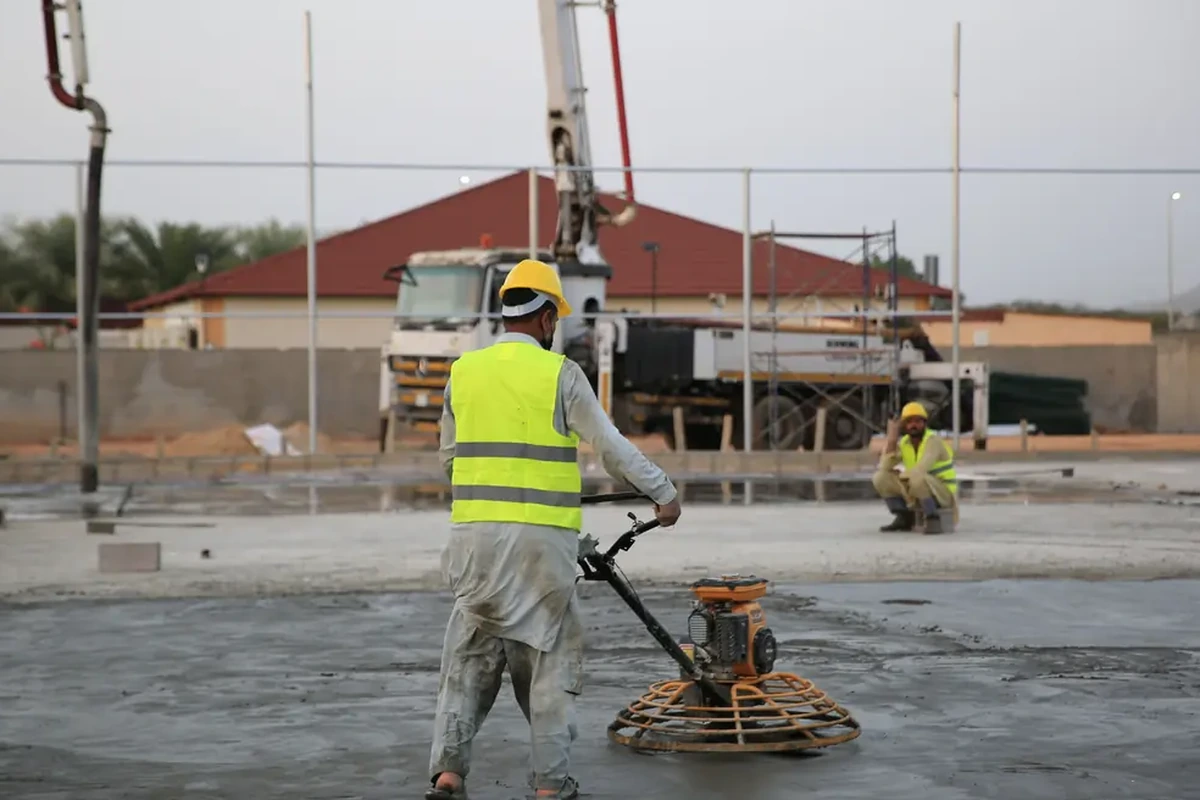
There is no single magic month. Concrete can be placed in hot weather when the contractor plans for temperature, wind, sun, delivery time, finishing, and curing. Victoria summers are hot enough that those controls matter. Weather can also interrupt a scheduled pour when storms or saturated site conditions make preparation or placement a bad idea. The actual forecast and site should drive the decision.
Why are lines cut into new concrete?
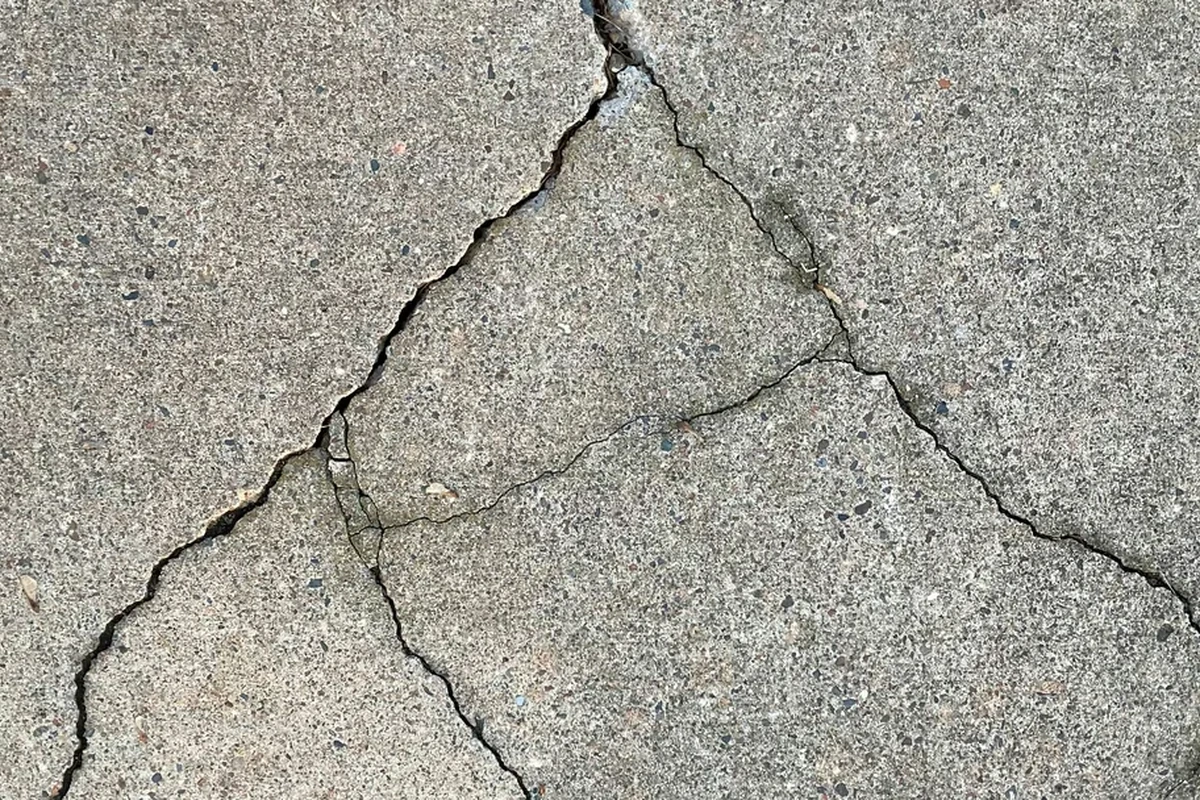
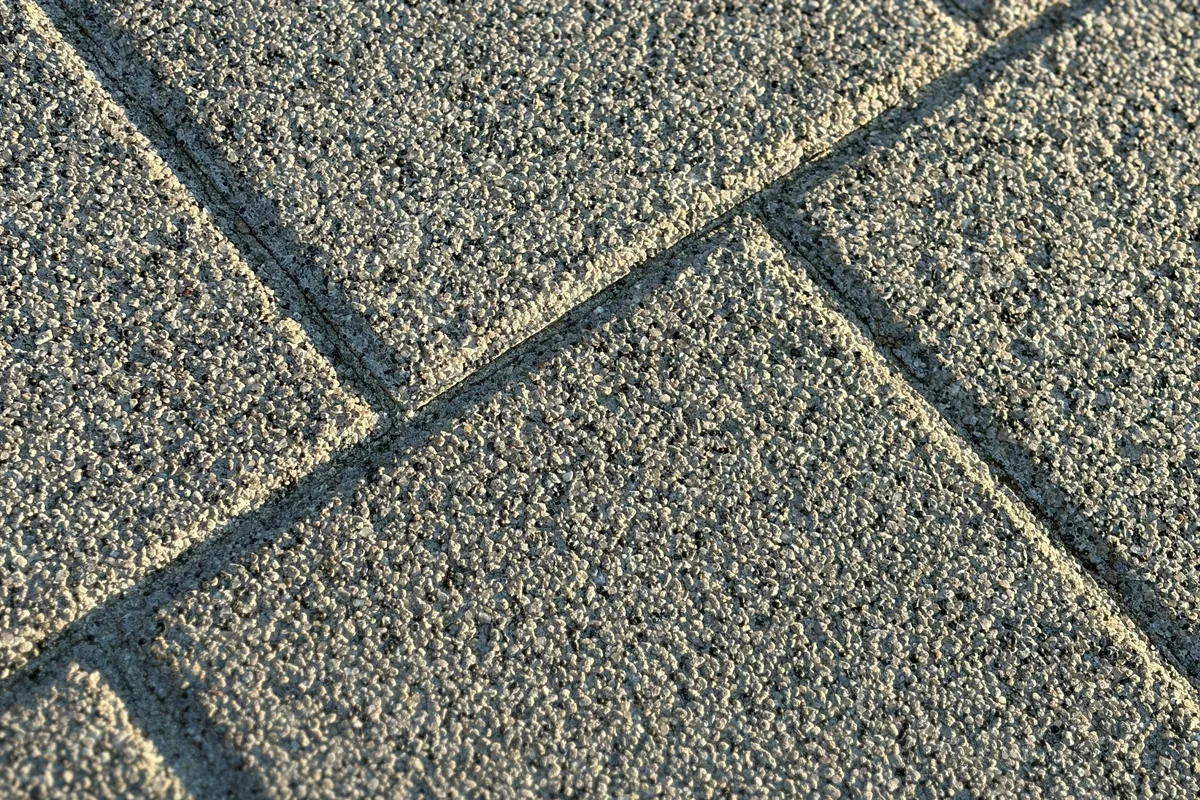
Control joints create planned weakened locations where shrinkage cracking is more likely to occur. Joint spacing, depth, timing, and layout should fit the slab. They do not make concrete “crack-proof,” but they help manage where normal shrinkage movement appears instead of leaving the slab to choose random locations.
Why does curing matter after the crew leaves?
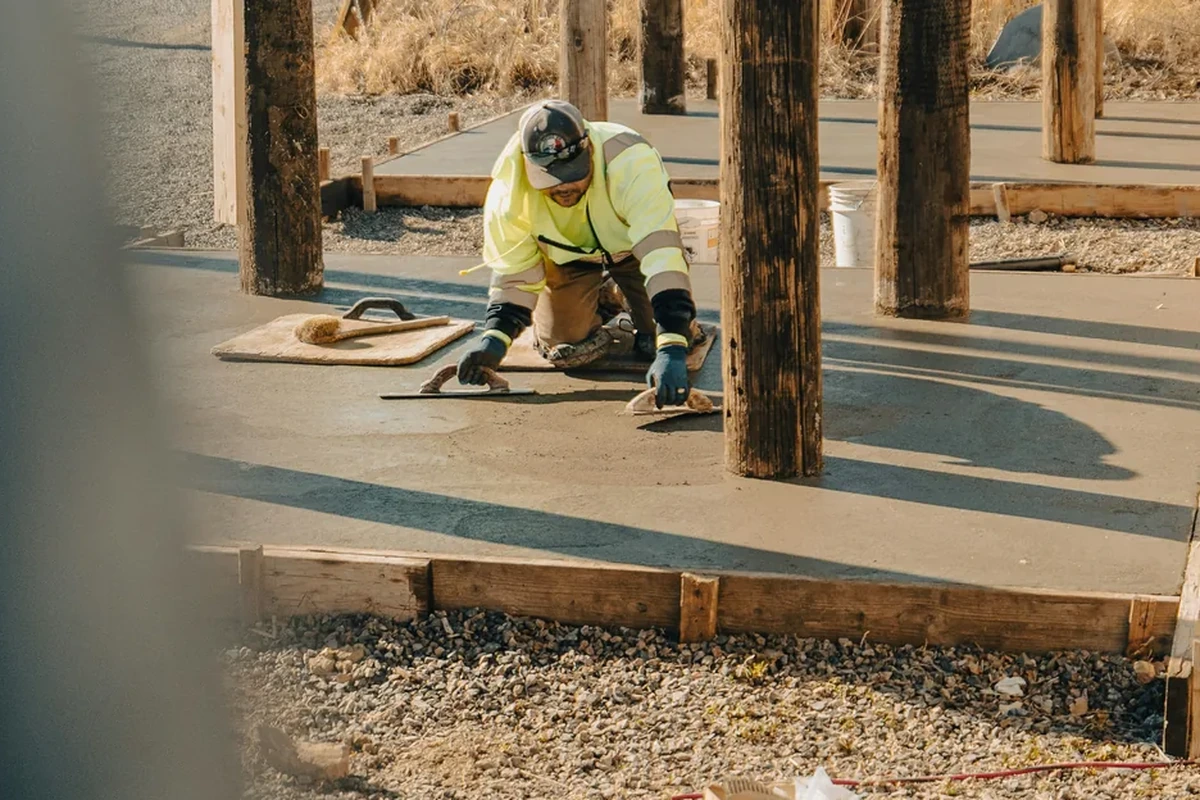
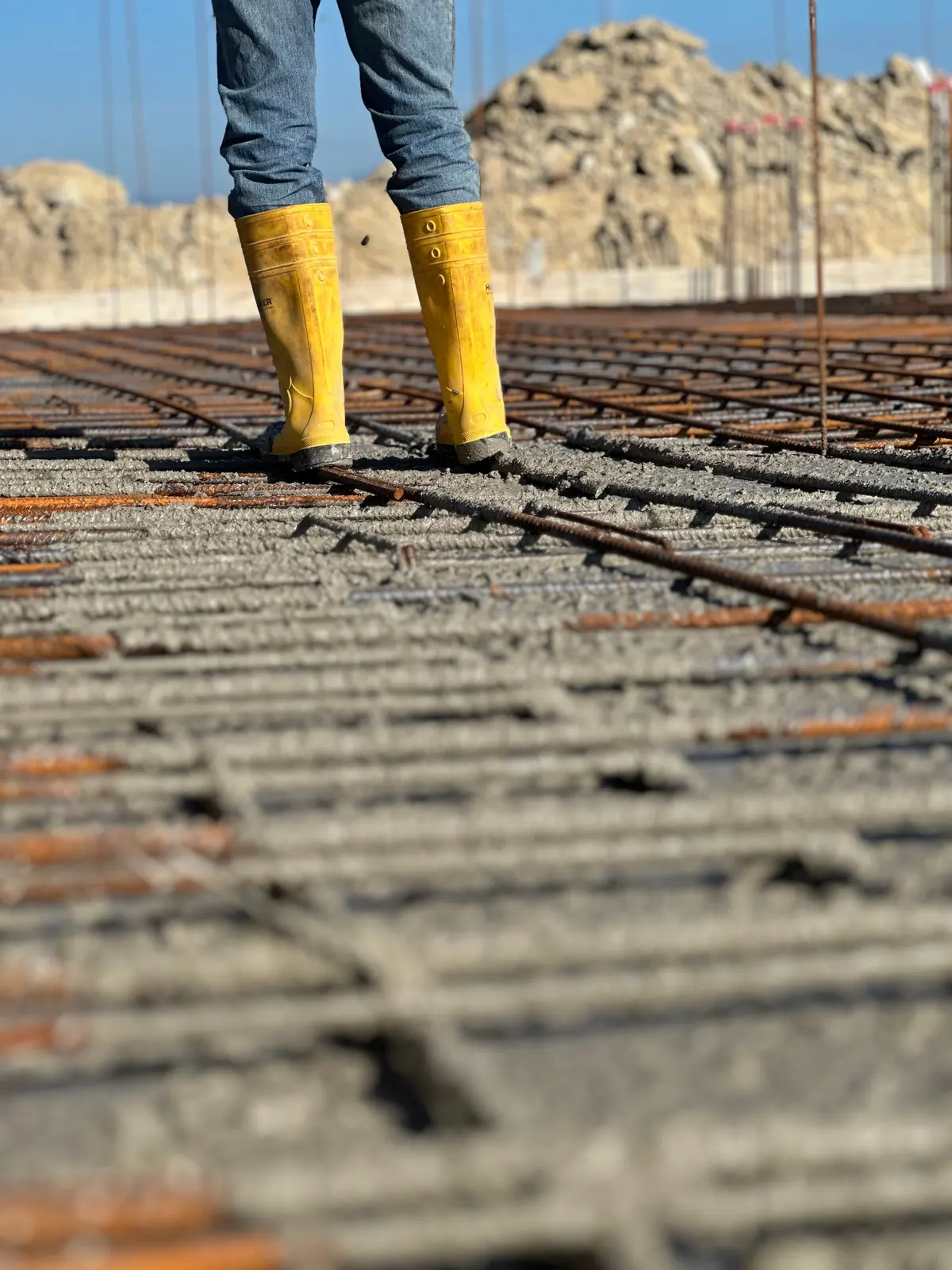
Concrete keeps gaining strength after finishing. Curing manages moisture and temperature during that early period. Vehicle loading, heavy equipment, sealing, coatings, or construction on top of a new slab should follow the instructions for the actual concrete mix and project rather than a one-size-fits-all internet countdown.
Repair, resurface, level, or replace?
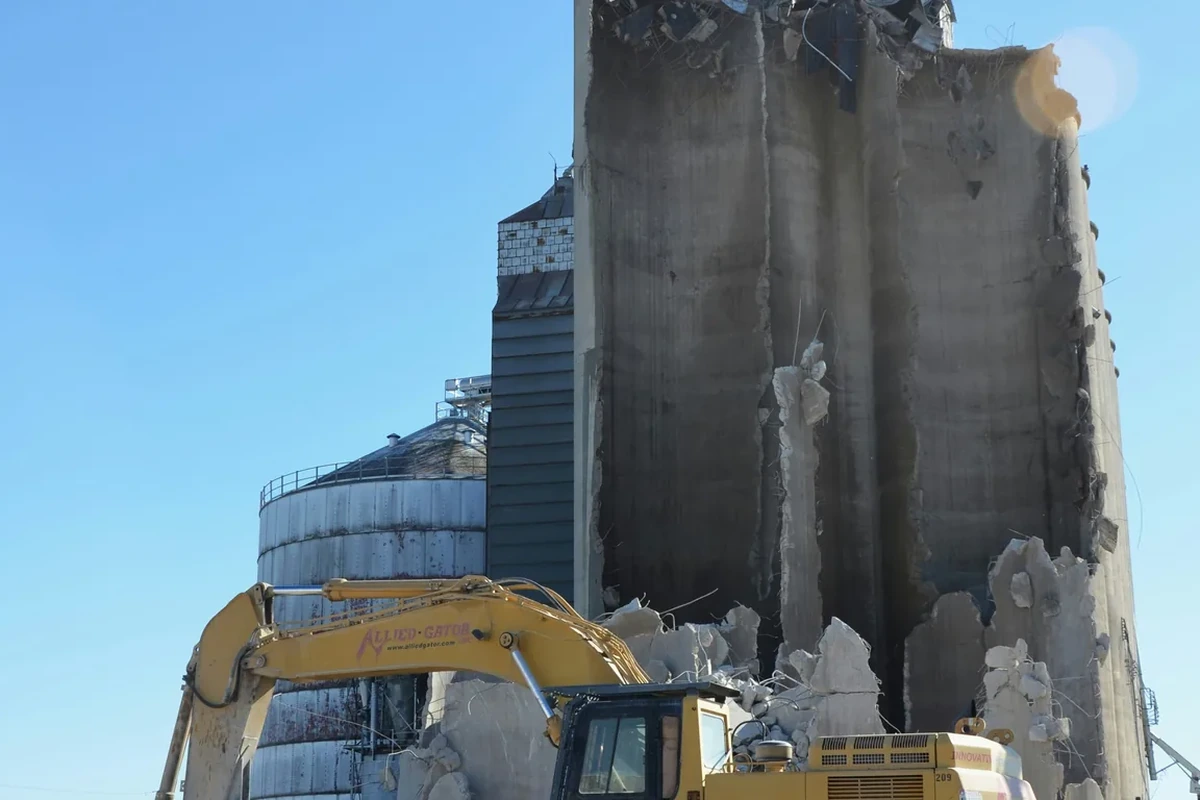
These solve different problems. Repair can address selected cracks or damage. Resurfacing renews the top of a stable slab. Leveling may raise certain settled slabs. Replacement removes the concrete and lets the base and grade be rebuilt. The cheapest method is only a bargain when it matches the reason the concrete failed.
What makes a shop slab different from a patio?
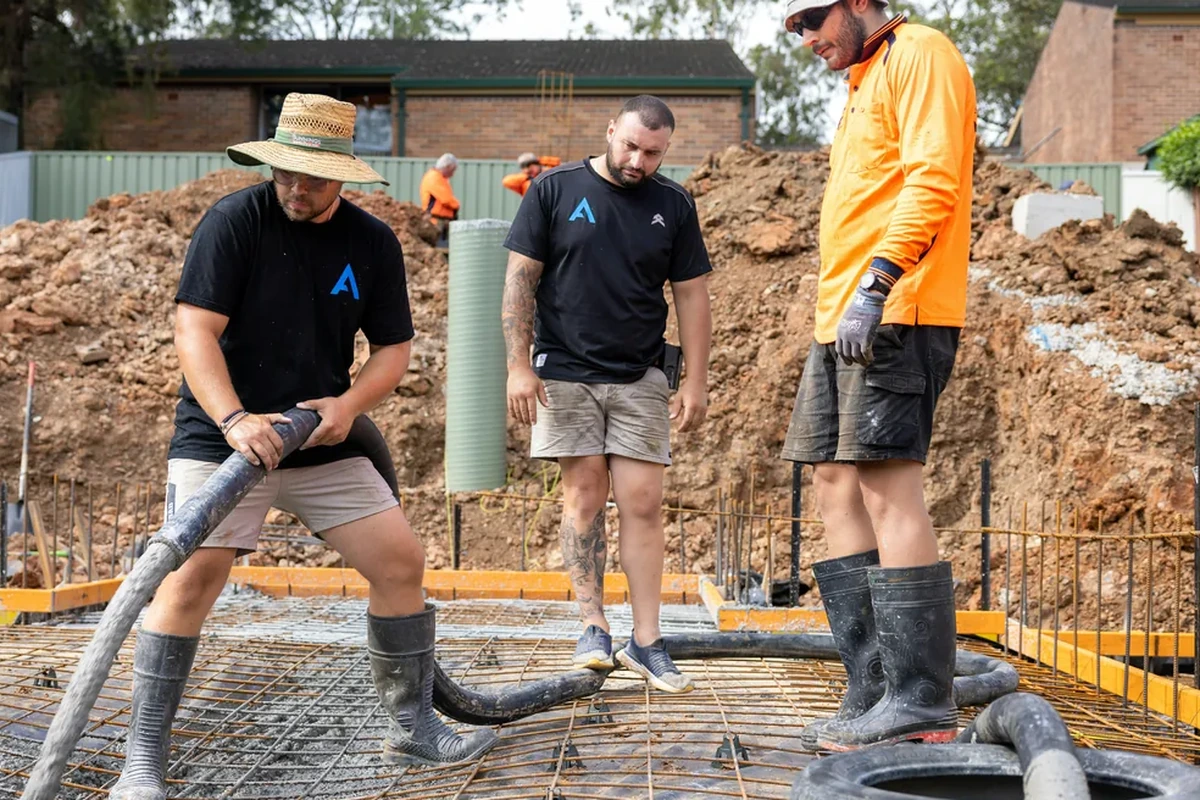
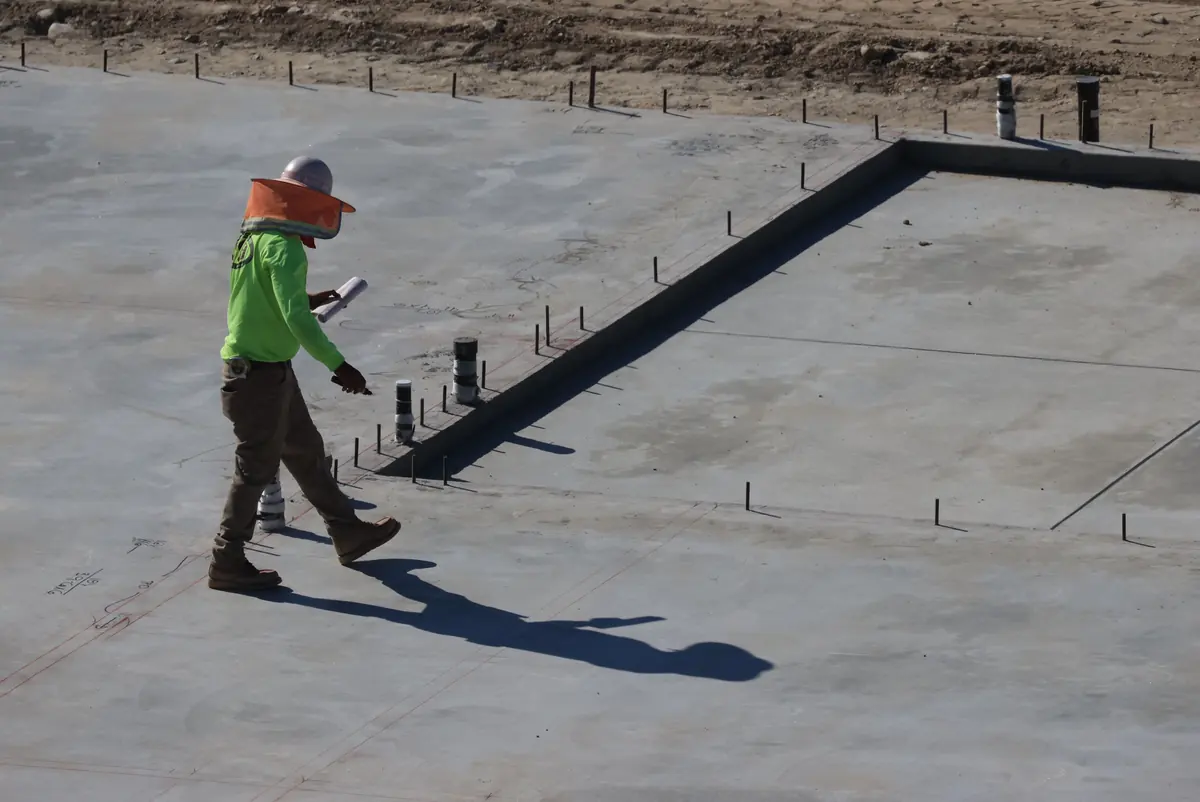
A shop can carry pickups, trailers, lifts, machinery, shelving, pallet loads, or concentrated equipment. It may also need anchor bolts, sleeves, drains, plumbing, electrical conduit, vapor protection, or a finish suitable for rolling equipment. Those details can change the slab design long before anyone talks about the final trowel finish.
What should happen before decorative concrete is chosen?
Choose the slab function first. Drainage, thickness, access, steps, door elevations, joints, and traction still matter when the surface will be stamped or colored. Then choose pattern, color, border, sealer, and maintenance. Decorative concrete is still concrete construction underneath the finish.
Why do photos help an estimate?
Photos show truck access, fences, trees, grade, existing cracks, drainage, demolition, nearby structures, and how the area connects to the rest of the property. They do not replace an on-site review when one is needed, but they can make the first call much more specific and help identify the right questions early.